
Crawl Space Waterproofing in Atlanta, GA
Waterproofing is about liquid water: where it comes from and how to stop it arriving. In metro Atlanta that is usually a surface question, not a groundwater one — and that changes the fix.
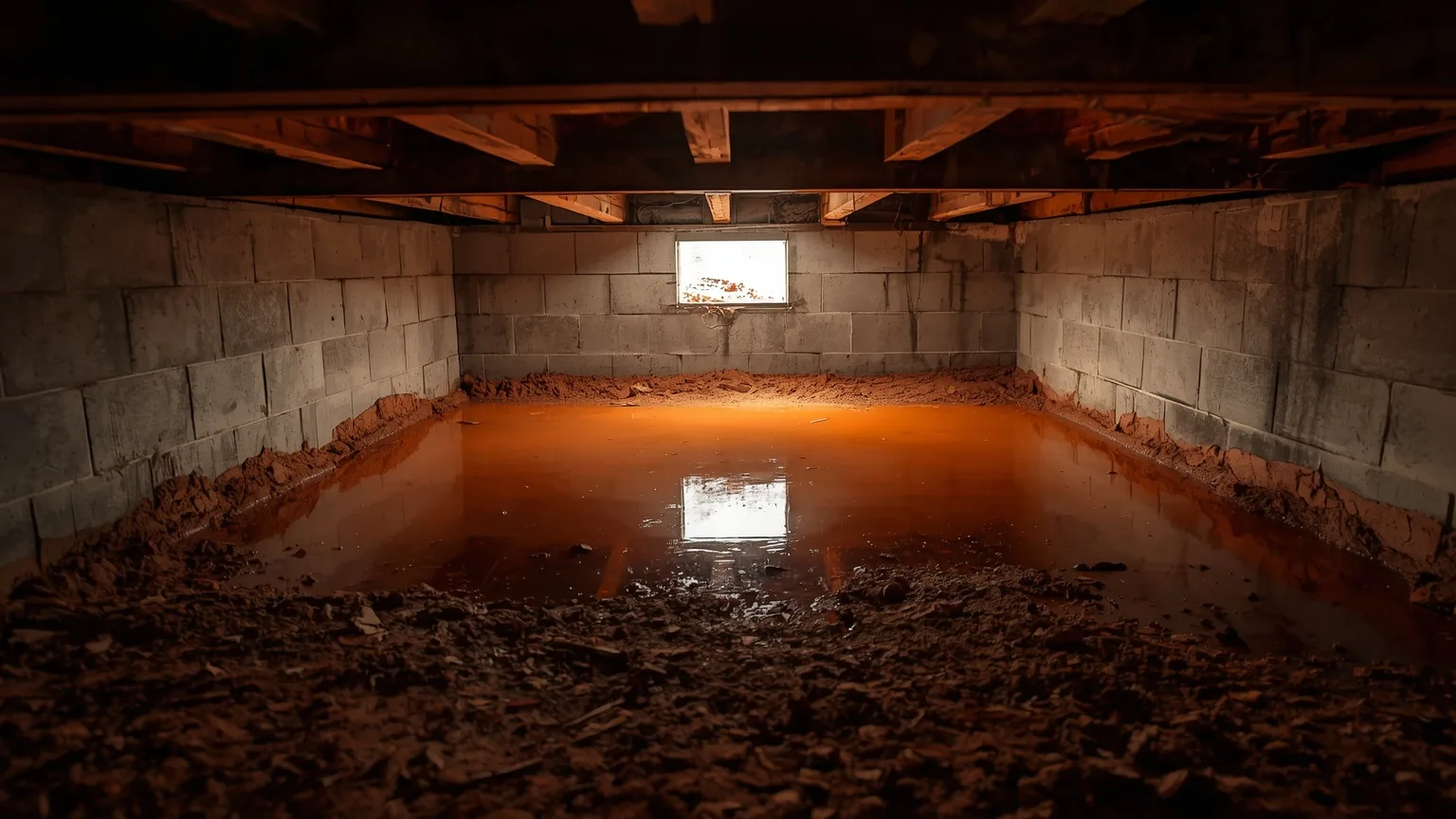
Who handles crawl space waterproofing in Atlanta, GA?
Atlanta Crawl Space Solutions arranges crawl space waterproofing across Atlanta and the metro counties. Waterproofing addresses liquid water — roof discharge, grading, and runoff moving across sloping Piedmont ground. It is a different service from encapsulation, and the external causes get ruled out first because here they account for a large share of wet crawl spaces. Call (404) 974-4979 to arrange an evaluation.
What is the difference between crawl space waterproofing and encapsulation?
Waterproofing keeps liquid water from reaching or remaining in the crawl space. Encapsulation seals the space against ground vapor and humid air and controls the humidity that remains. They are related services that solve different problems, and a crawl space can need one, the other, both, or neither.
The overlap is real: a complete solution to a wet Atlanta crawl space often ends with a sealed liner, because once the water is controlled the remaining problem is vapor. But the sealing is the last step in that sequence. A quote that leads with encapsulation for a space that takes water after every heavy rain has the order backwards.
Where does the water actually come from in metro Atlanta?
Overwhelmingly from above and outside rather than from below. The local ground drains well; what it does not do is absorb a large volume arriving quickly on a slope.
- Roof discharge at the foundation. A downspout ending at the wall puts a roof's worth of water into the ground beside the crawl space. The most common single cause and the cheapest to correct.
- Grading that falls toward the house. On sloping lots this is the dominant mechanism. Ground that has settled, or was never graded away, delivers runoff straight to the foundation.
- Hard surfaces draining inward. Driveways, patios and walks that pitch back toward the building, which is common on cut-and-fill lots.
- Uphill neighbors and shared slopes. On Piedmont terrain the water arriving at your foundation may have started well above your property line.
- Plumbing. A failed supply or waste line produces a wet crawl space with no relationship to weather at all, and is worth eliminating early.
What the timing of the water tells you
The pattern is diagnostic and costs nothing to observe. Water appearing within an hour or two of heavy rain and receding soon after is surface runoff — the grading and roof-discharge category, which is comparatively cheap to fix and is the majority of cases here.
Water that shows up a day or more later, or with no recent storm, points at the ground rather than the sky and is where interior drainage and a sump system start to be justified. That is the less common pattern in metro Atlanta, which is exactly why it should be demonstrated rather than assumed before you pay for excavation.
Write down what you see and when, with dates and photographs. It is the most valuable diagnostic input available and most homeowners already have it.
The order the work goes in
External causes first, because they are cheap and they resolve a large share of cases in this market. Interior drainage next, only where water genuinely arrives through the ground. Then any framing the water damaged. Then sealing and humidity control.
Running that sequence backwards is the most expensive error in this trade. It is also worth being blunt about the commercial incentive: interior drainage is a much larger ticket than regrading and extending downspouts, and on Atlanta's soils the cheaper fix is more often the correct one.
On Piedmont slopes, water moves — it does not sit
The most repeated claim in Atlanta crawl space marketing is that the red clay holds water under your house. The USDA's own soil descriptions do not support it, and getting this wrong sends homeowners toward the wrong service.
Metro Atlanta sits on the Piedmont Plateau, where soils formed in saprolite — deeply weathered gneiss and schist rather than deposited sediment. The USDA describes the Gwinnett series, whose type location is in Newton County, Georgia, as well drained with moderate permeability, and the Cecil series, the dominant Piedmont soil, as well drained with moderately high saturated hydraulic conductivity. Both are recorded with medium to rapid runoff.
What those descriptions also record is slope: Gwinnett soils sit on ridges with slopes commonly 6 to 30 percent and ranging up to 60. Combine that with 49.71 inches of rain a year and the mechanism is clear. The problem is not a water table under the house — it is volume moving fast downhill and finding a foundation in the way. That is why grading and roof discharge fix a bigger share of Atlanta crawl spaces than they do in flatter markets, and why an interior drainage proposal here deserves to be justified rather than assumed.
Crawl Space Waterproofing questions
What is the difference between crawl space waterproofing and encapsulation?
Waterproofing keeps liquid water out of the crawl space. Encapsulation seals the space against ground vapor and humid air and manages the humidity that remains. A space with standing water needs waterproofing; a space that is damp and humid but dry underfoot needs encapsulation. Many need both, in that order.
Does Atlanta's clay soil trap water under my house?
The USDA describes the dominant Piedmont series around metro Atlanta — Gwinnett and Cecil — as well drained with medium to rapid runoff. The usual problem here is not water sitting in the soil under the house; it is a large volume of rain moving quickly across sloping ground and reaching the foundation.
Will fixing my gutters and grading solve a wet crawl space?
In metro Atlanta more often than not, and it is cheap enough to be worth doing first regardless. Downspouts discharging at the foundation and ground that falls toward the house are the two most common causes on Piedmont slopes.
Do I need interior drainage?
Only where water genuinely arrives through the ground rather than across it. Given how well the local soils drain, that should be demonstrated by the timing of when water appears before you pay for excavation under an occupied house.
Can standing water be left if the crawl space is sealed?
No. A liner over standing water hides it rather than resolving it, keeps it against the ground and foundation, and removes the evaporation that was at least partly clearing it. Water is dealt with before anything is sealed.
Related crawl space services
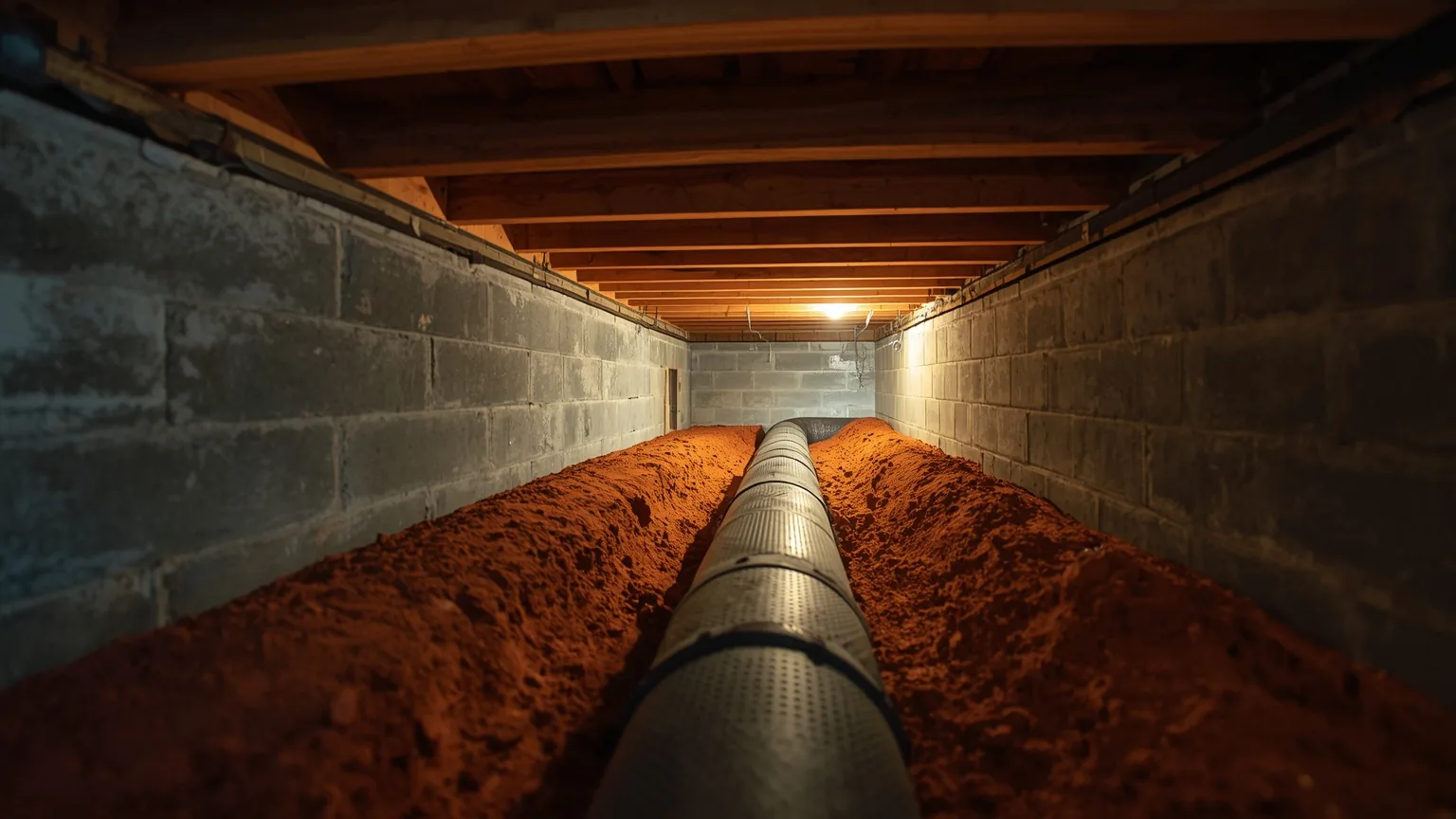
Crawl Space Drainage
A route out for water, once the exterior causes are eliminated.
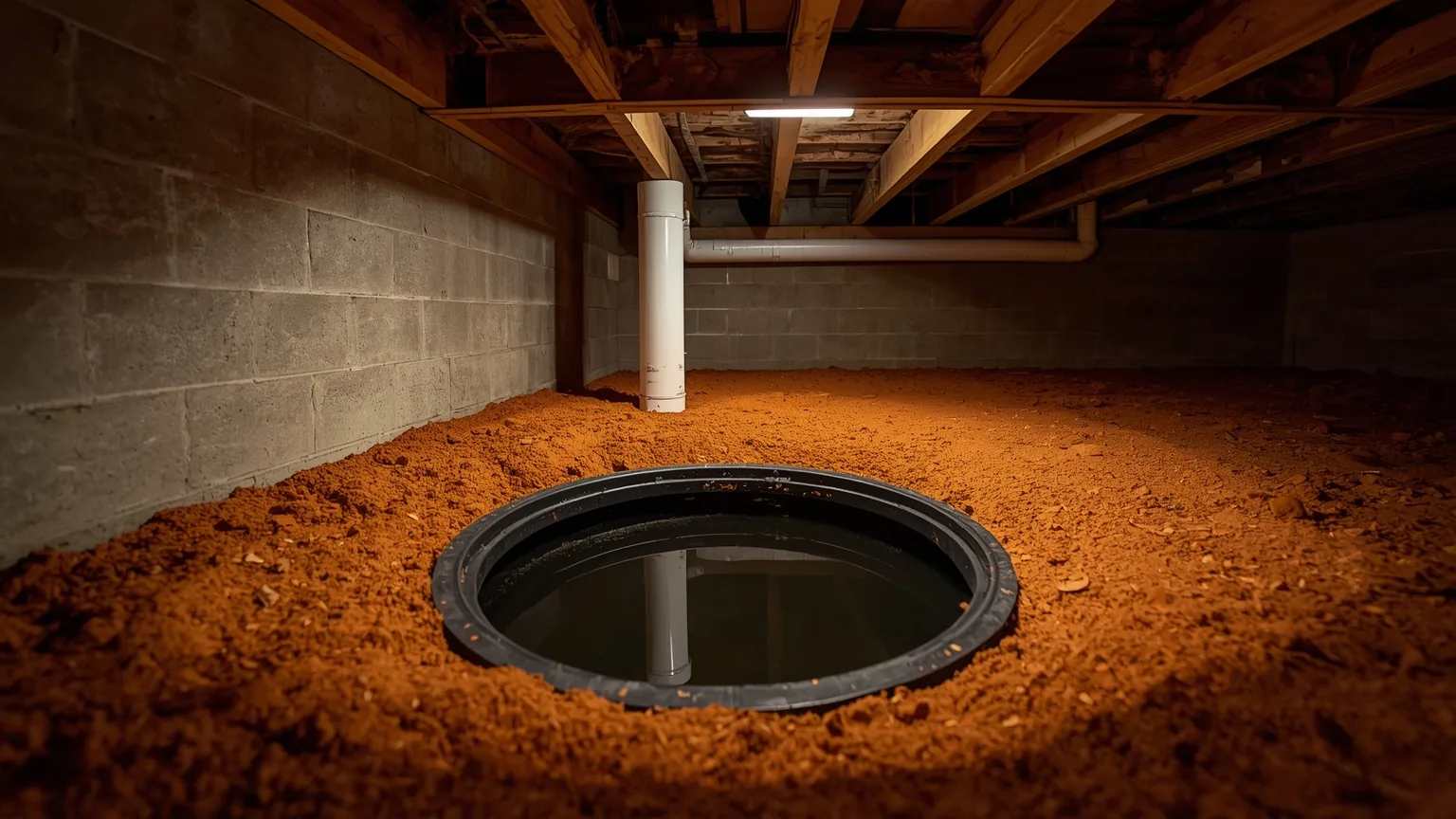
Crawl Space Sump Pumps
Basin, pump and discharge — and where the water actually goes.
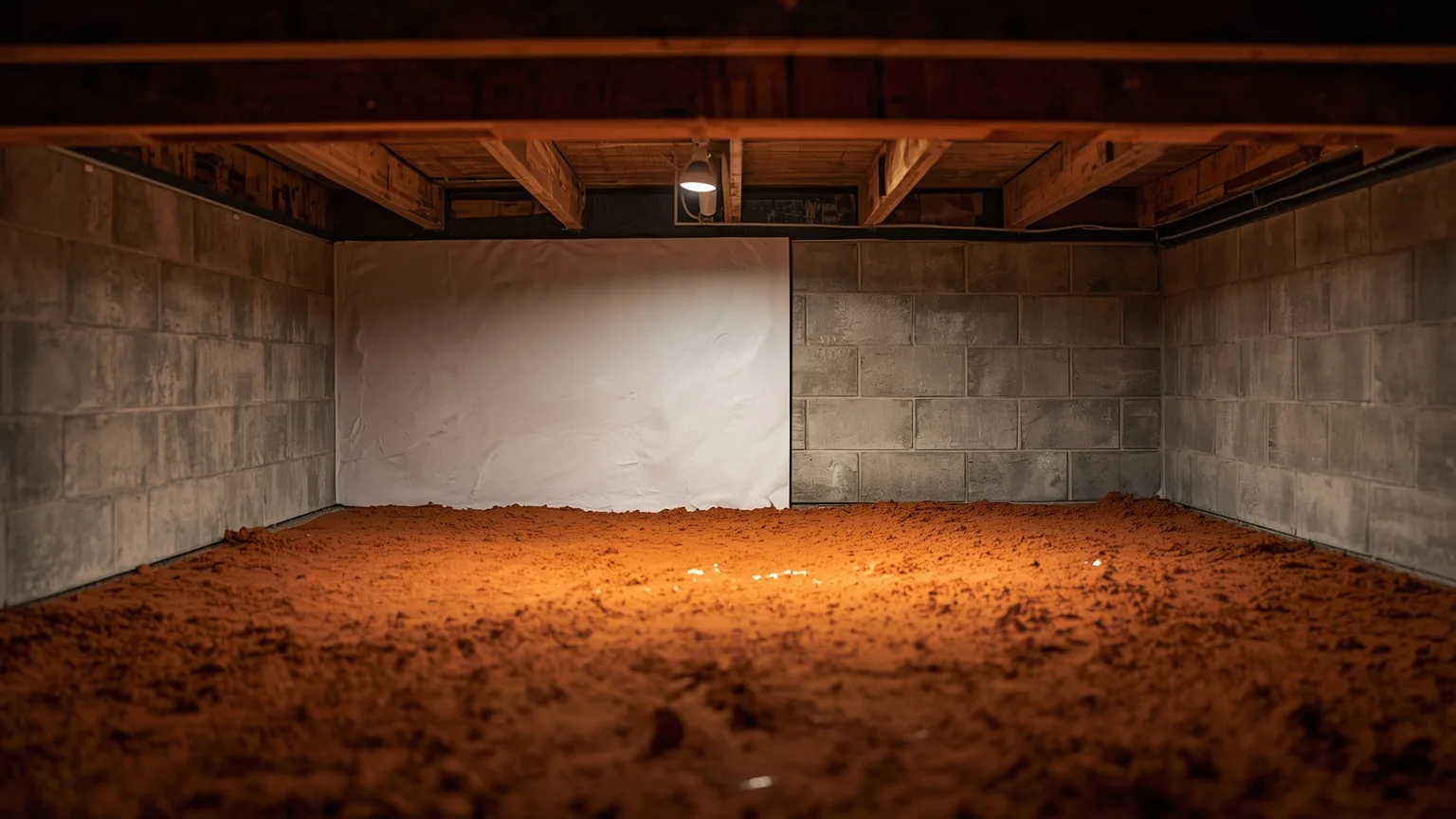
Crawl Space Encapsulation
The full sealed system — liner, closed vents and managed humidity.
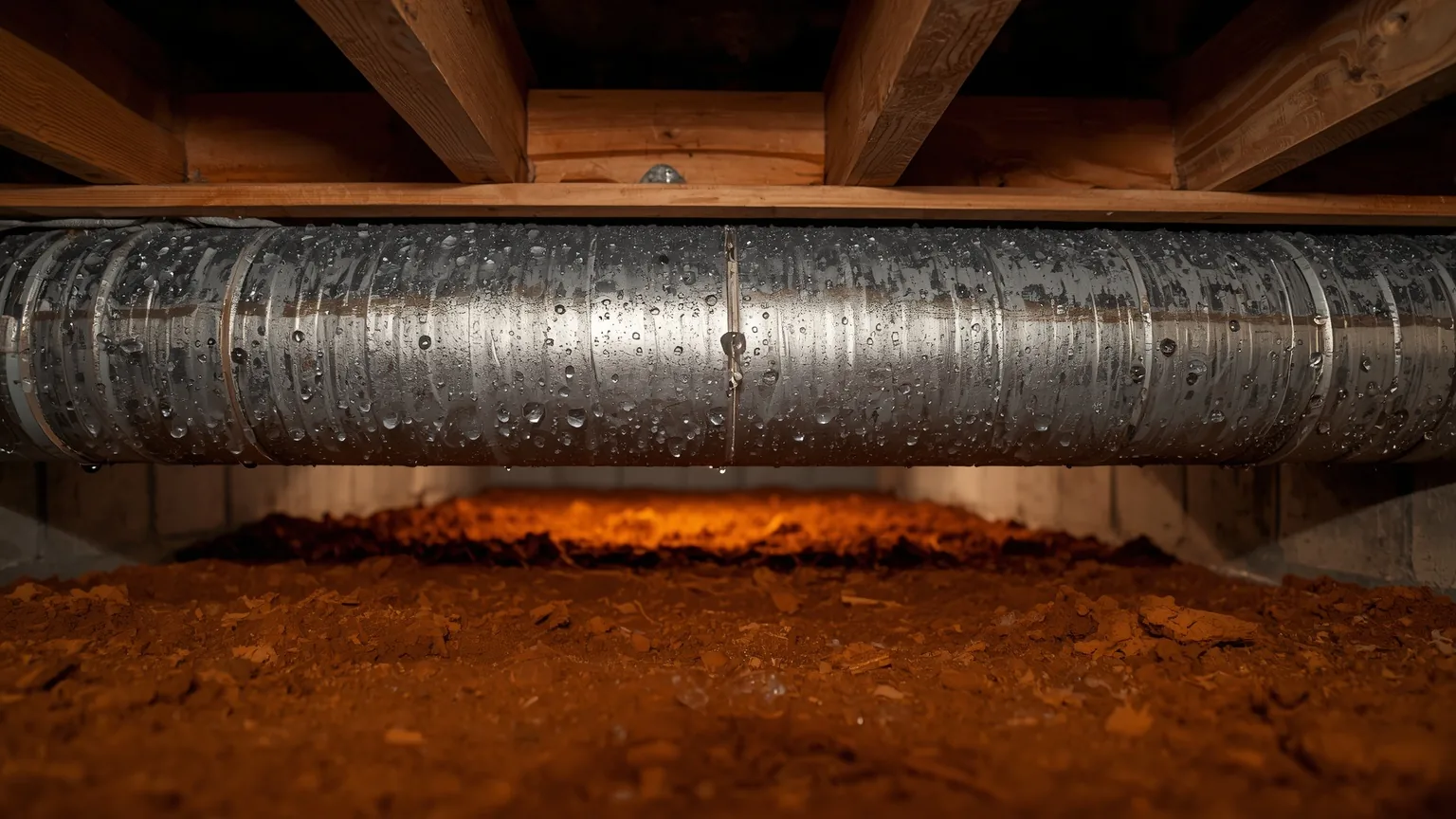
Crawl Space Moisture Control
Identifying the source before choosing the remedy.
Find out what is actually causing it.
An inspection underneath, readings taken on site, and a written scope ahead of any figure.